Why Buy Frozen Prawns?
Frozen works for prawns because it turns an unpredictable ingredient into something you can control. Instead of buying “some prawns” and hoping they cook evenly, you can pick a size, a cut, and a weight that matches your pan and your timing. That’s a quality-control advantage, not a compromise: you get portionable stock, repeatable results, and far less waste — especially when you’re cooking for one, feeding a family, or trying to keep weekday meals simple.
The real “fresh vs frozen” comparison isn’t romance, it’s time and handling. “Fresh” seafood can still move through multiple steps in the supply chain, and hours add up quickly between landing, processing, storage, transport, and the final fridge. Freezing is different: it locks in a point-in-time quality and keeps it stable until you choose to use it. Done properly, it protects texture and flavour better than a long chilled journey ever can.
At frozenfish.direct, we describe products in a label-first way, because the details matter more than the word “fresh”. Our processing claim is simple: seafood is processed and frozen within hours, and for some lines it’s frozen within 3 hours of being caught (where that’s stated on the product or category information). That speed is the whole point — it reduces the time window where quality can drift.
Freezing slows spoilage. Cold storage preserves texture. Vacuum packs reduce air exposure. Portions reduce waste. Consistent weights improve cooking. Frozen stock improves meal planning.
So “why frozen prawns” comes down to confidence: you can buy once, portion what you need, and get the same outcome again next week — without overbuying, rushing, or throwing food away.
Choose Your Prawns
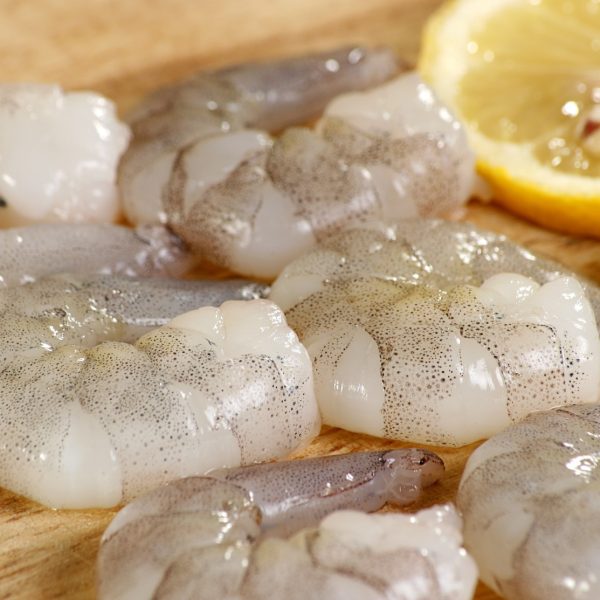
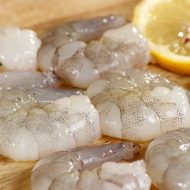
Peeled & Deveined for quick midweek
If you want speed without sacrificing outcome, peeled and deveined prawns are the workhorse choice. They go straight into a hot pan, wok, or oven tray, and they’re easy to portion for weeknight stir-fries, pasta, rice bowls, and simple prawn curries. Look at the pack spec for count-per-kilo or size grade so you’re not guessing how many prawns you’re getting per serving. When you want a clean bite and predictable prep, this is usually the most versatile cut.
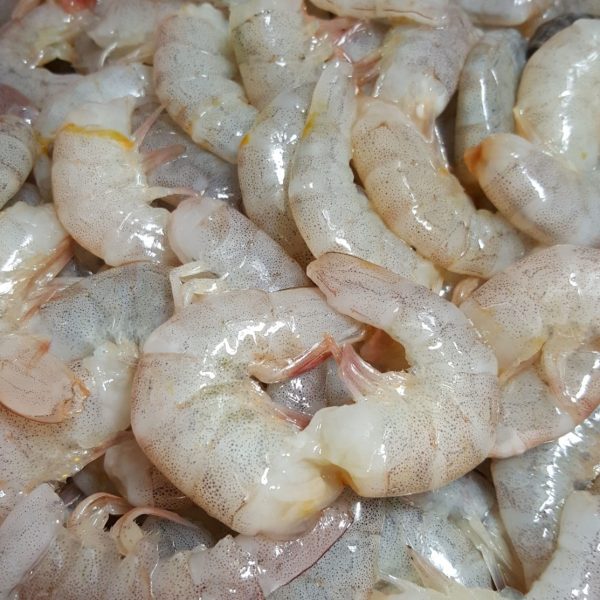
Shell-on for bigger flavour and better texture
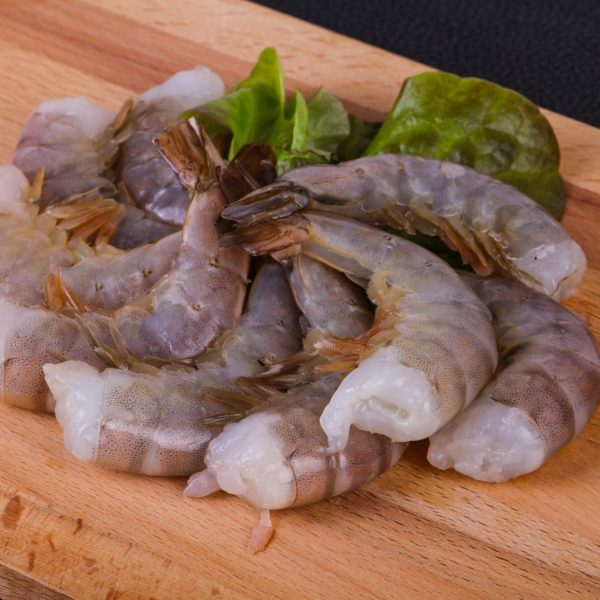
Shell-on prawns tend to hold onto moisture and stay firmer through higher heat. They’re a strong pick for grilling, pan-searing, or roasting when you want a “proper prawn” texture that doesn’t overcook as quickly. Keeping the shell can also help protect the flesh if you’re cooking in a very hot pan or on a plancha. If you like that slightly sweeter, more intense prawn flavour, shell-on is often the upgrade.
Cooked prawns for cold uses and fast assemblies
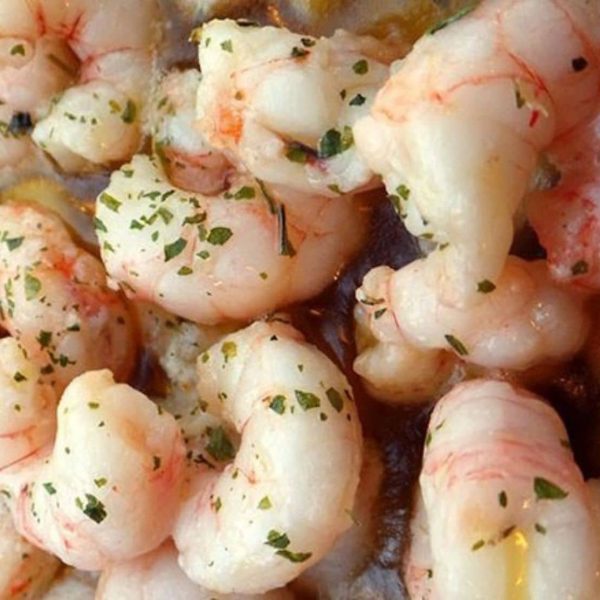
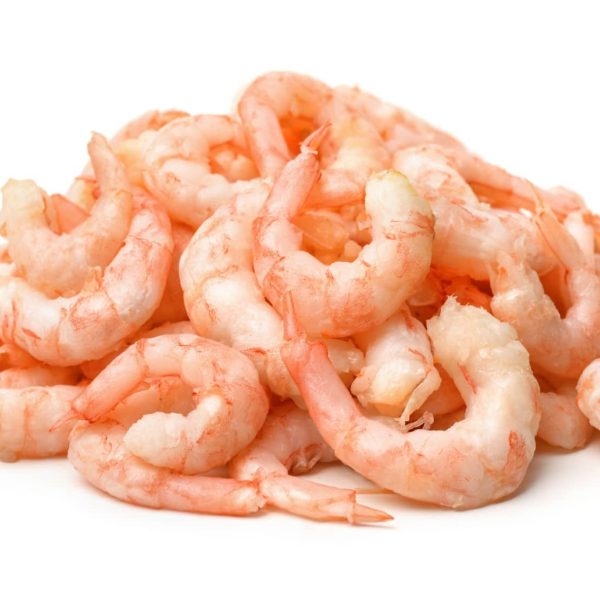
Cooked prawns are “ready for specific uses” — think prawn cocktail, salads, wraps, and quick mixed seafood platters where you want consistent size and a clean, finished texture. They’re also handy for last-minute entertaining when you’re assembling rather than cooking. The key is choosing the size grade that suits the dish: smaller for mixing through, larger for topping and presentation.
King prawns and larger grades for high-heat confidence
If you cook hot and fast — grill, skillet, or barbecue — larger prawns (often sold as king prawns) give you more tolerance at high heat. Bigger pieces are easier to sear without turning rubbery, and they suit skewers, garlicky butter pans, and charred edges with a juicy centre. Larger grades also look the part for guests, especially in sharing dishes.
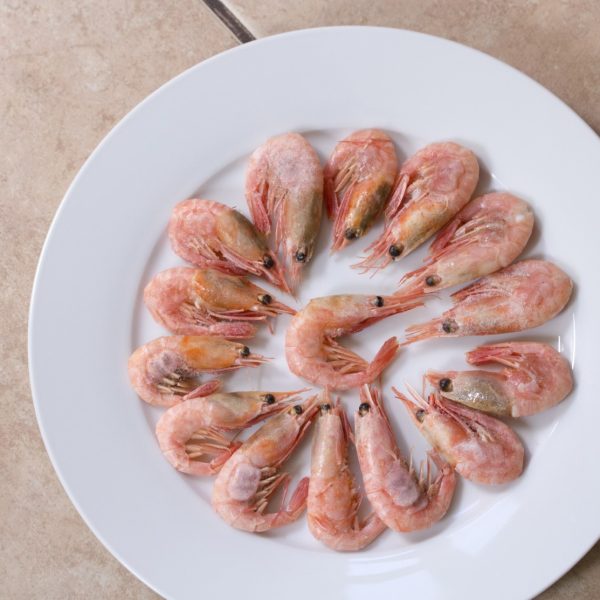
Whole prawns for batch prep and “prep-it-yourself” cooks
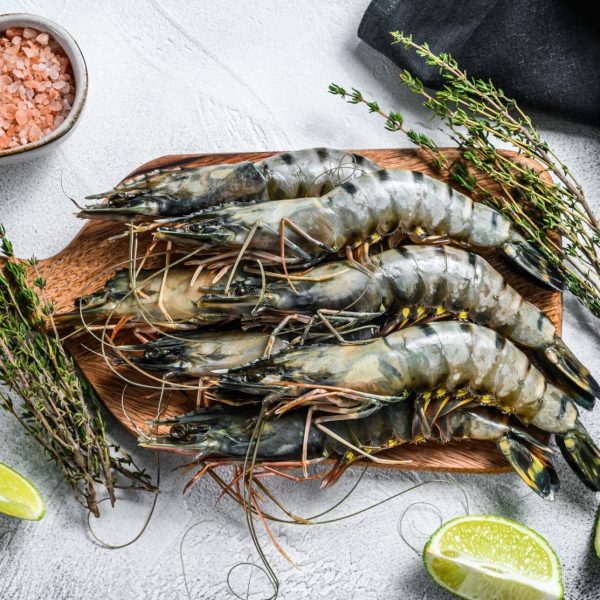
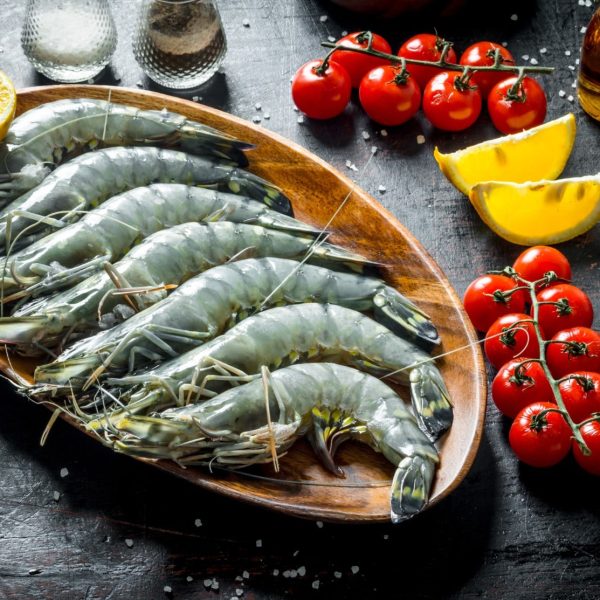
Whole prawns are for people who like control: you can peel, devein, and portion exactly how you want, then use shells for a quick prawn stock or bisque base. They’re ideal for batch prep, smoking experiments, or when you want to split portions for different dishes (tails for skewers, smaller pieces for noodles). It’s the most hands-on option — and the most flexible.
Pick the Prawns that matches your pan, your timing, and your appetite.
What Arrives at Your Door
Your Frozen Prawns are handled like a cold-chain job, not a parcel in a van. Dispatched by DPD overnight courier. We pack frozen seafood to stay frozen, using packaging that’s built for temperature control rather than presentation.
Each order is packed with dry ice in a polystyrene insulated box, which matters because dry ice actively drives the temperature down while the insulation slows heat gain from the outside air. In plain terms: it helps keep fish and prawns frozen during transit, even with the normal bumps of a delivery network. Dry ice naturally “disappears” as it does its job (it sublimates into gas), so it’s normal if you open the box and don’t see a big solid block left — the performance is what counts: your seafood should arrive hard-frozen or properly frozen-to-the-touch.
Delivery dates are controlled to keep things realistic. Orders placed before the stated cut-off are prepared for next working day delivery on eligible days, and checkout controls valid delivery dates so you’re not guessing what counts as “next day” around weekends, peak periods, or service constraints. That’s deliberate: predictable dispatch and predictable arrival reduces thaw risk and avoids the frustrating “it said tomorrow” support-ticket spiral.
When your box arrives, treat it like the final handover in the chain: bring it indoors promptly, open it, and move the prawns straight to the freezer so they stay at a stable temperature; then follow the on-pack storage guidance for best quality. If you’re not unpacking immediately, keep the box closed in a cool, ventilated spot for as short a time as possible.
Dry ice is simple to handle if you stay sensible: avoid direct skin contact, keep the area ventilated, don’t seal dry ice in an airtight container, and keep it away from children and pets.
Label-First Transparency
Buying prawns online shouldn’t feel like guessing. On frozenfish.direct, each product is built around the details that actually change your result, so you can choose with confidence rather than hope.
Every listing shows the practical buying fields up front: cut (so you know what you’re working with), weight/pack size (so you can plan portions), and the key prep flags customers always ask about. Where relevant, we clearly state whether an item is skin-on or skinless, boneless, and pin-boned — the kind of information that decides whether a pan-fry turns crisp, whether a curry stays clean, or whether you’re doing extra work mid-cook. For prawns specifically, you’ll also see the prep level that matters most: things like peeled vs shell-on and whether they’re ready to use or need a little more prep.
Where wild vs farmed applies, it’s shown on the product details so you can buy to your preference. The same goes for origin and catch area: when it varies by item, we don’t make category-wide promises — it’s shown on the product details for the product you’re actually adding to your basket.
Allergens aren’t hidden in the small print. Prawns are clearly flagged as an allergen, and for any cured, smoked, or seasoned lines where ingredients matter, the ingredients are listed on the product details so you know exactly what’s in the pack.
- Cut drives cooking. Weight drives timing. Shell drives flavour.
- Skin drives texture. Prep level drives speed. Size grade drives bite.
- Origin informs preference. Method informs fat level. Pack size informs value.
That’s the point of label-first transparency: you’re not buying a picture — you’re buying a spec.
Storage and Defrosting
Frozen prawns are very forgiving — as long as you treat thawing like part of the recipe, not an afterthought. The aim is simple: keep them properly frozen until you need them, then defrost in a way that protects firmness and stops that “watery” finish.
For storage, keep packs solidly frozen and protect them from air exposure. Air is what drives freezer burn: the surface dehydrates, the colour dulls, and the texture can turn a bit tough or dry once cooked. If your prawns are vac packed, that helps a lot because it reduces air contact, but it still pays to store packs flat, keep the freezer steady, and avoid leaving bags half-open. A small habit that saves a lot of quality: rotate your stock — older packs forward, newer packs behind — so nothing gets forgotten at the back until it’s “mystery seafood”.
For defrosting, the calm default is fridge defrosting. Keep the prawns contained (in their pack, or in a covered bowl if opened) so they stay clean and don’t pick up fridge smells. Expect some drip loss as ice crystals melt; that’s normal. The trick is managing it: let the liquid drain away rather than pooling under the prawns. Once thawed, pat dry before cooking — it’s the easiest upgrade you can make, because a dry surface sears, while a wet surface steams and turns soft.
If you’re working with shell-on prawns, you’ll usually notice better flavour protection through thawing, while peeled prawns can show “softness” sooner if they sit in their own drip. Either way, handle gently and avoid aggressive squeezing; you’re trying to preserve that clean firmness.
On refreezing, stay conservative. If prawns have been fully thawed and especially if they’ve been sitting in drip, it’s usually best not to refreeze. If in doubt, don’t refreeze — and always follow the on-pack instructions, because they reflect how that specific item was prepared and packed.
The whole mindset is texture-first: reduce air exposure, manage drip loss, pat dry for sear, and you’ll keep prawns tasting like prawns — not water.
Cooking Outcomes
Pan-sear
Start with a dry surface and a hot pan so the prawns sear instead of steaming. Add them in a single layer, then leave it alone for the first contact phase — you’re looking for a light golden edge and a faint toasty smell, not a grey, wet simmer. Flip once the prawns release easily and the outside looks opaque on the bottom, then finish gently so the centre stays plump. Doneness cue: the flesh turns opaque and firm-but-springy, with a slight curl rather than a tight, hard “C”. Dry surface equals better sear. Gentle finish protects moisture. Resting evens temperature.
Grill or high-heat plancha
Choose the prawns that match high heat — some cuts hold shape better and tolerate the grill more confidently, so follow the product details for size, prep state, and intended use. Keep the grill properly hot, oil the surface lightly, and place the prawns with space so they char rather than sweat. Let them take colour on the first side without fussing, then turn and finish quickly over a slightly gentler zone. Doneness cue: lightly charred edges, opaque centre, and a juicy bite — if they start to look dry and chalky, you’ve gone too far. Thickness changes timing. Fat content changes forgiveness.
Oven roast
Oven cooking works best when you want even results across a tray, especially for larger prawns or mixed packs — but different products have different handling expectations, so again, follow the product details. Spread prawns out so heat circulates, and aim for a quick roast rather than a slow bake that turns them watery. Pull them when the shells (if present) look bright and the flesh is opaque, then finish gently with residual heat instead of chasing extra time. Doneness cue: the prawns feel springy when pressed and smell sweet, not overly “fishy” or dry. Gentle finish protects moisture. Resting evens temperature.
Portion technique
Prawns punish overconfidence: use gentle heat, don’t overcook, and treat them like a quick protein rather than a slow braise. Cook portions in smaller batches so the pan stays hot and timing stays predictable. Once they’re just opaque and springy, rest briefly off the heat so the temperature evens out and the juices settle back into the fibres. Doneness cue: tender snap, clean sweetness, and no squeaky rubber bite. Dry surface equals better sear. Thickness changes timing.
Nutrition Snapshot
Prawns are one of those rare buys that feel both straightforward and flexible: you get a clean seafood flavour, a naturally firm bite, and a protein that plays nicely with weeknight cooking as well as bigger spreads. Nutritionally, prawns are generally known for being high in protein and for providing a mix of micronutrients such as vitamin B12, iodine, selenium, and phosphorus — but the exact profile isn’t a single fixed truth. Nutrients vary by species, size, how they’re processed, and whether they’re wild or farmed, so the most reliable view is always the individual product details.
It’s also worth remembering that “lean” doesn’t mean “boring”. Prawns tend to be relatively low in fat compared with many oily fish, which is part of why they taste clean and cook fast — but it’s also why they can turn dry if you push the heat too hard or too long. Bigger prawns usually feel juicier because they give you more margin for error; smaller prawns reward quick, confident cooking and a gentle finish. Texture and fat content influence forgiveness. Size influences timing. Cut influences outcomes.
If you’re building meals, prawns sit comfortably in a balanced diet alongside vegetables, grains, and fats you choose on purpose, without needing any hype or heroic promises. The sensible approach is simple: pick the prawns that match your cooking plan, check the product details for the specifics of that pack, and you’ll get predictable results on the plate — tasty, tidy, and easy to repeat.
Provenance and Responsible Sourcing
Provenance matters, but it only helps if it’s specific. That’s why we take a SKU-by-SKU approach rather than waving a category-wide banner. We show method and origin details per product so you can choose what fits your preferences. If you care about country of origin, whether something is farmed or wild, or the catch area where it’s relevant, you’ll see that information on the product details for that pack — not implied by the category name.
This matters because “prawns” isn’t one uniform thing. The range can include farmed prawns (common for consistent size and year-round availability), wild prawns where stocked (often chosen for a different eating character and seasonal interest), and speciality lines such as cooked-and-peeled convenience packs, raw shell-on options, or ready-for-specific-uses products where the prep has already been done for you. Different customers optimise for different outcomes: some want the cleanest weeknight convenience, others want shell-on for flavour and presentation, and some are hunting for a specific origin or production method.
Provenance supports preference. Clear labels support trust. Evidence supports claims.
Where a product carries extra traceability detail (for example, a stated catch area for wild items, or farming origin for farmed lines), we keep it visible at the product level so you can compare like with like. And where a detail can vary between items — or even between batches — we don’t “fill in the blanks” at category level. The practical promise is simple: we surface the information that helps you decide, we keep the language bounded to what the SKU can prove, and we let you pick the prawns that match your standards as well as your pan.
Frequently Asked Questions
Is frozen prawns as good as fresh?
“Fresh” and “frozen” aren’t really opposites — they’re two different ways of managing time. Freshness is about how quickly something is handled, kept cold, and moved through the supply chain. Frozen is about locking in a point in time so the quality you buy is much closer to the quality that left the processor, rather than whatever happens to it over the next few days.
With prawns, the quality swing is often less about the word on the label and more about what happened in between: temperature control, how many times the product warmed up and cooled down, and how it was packed. Freezing can affect moisture if it’s done slowly, stored poorly, or thawed roughly — that’s when you notice watery texture, softness, or extra drip loss. Done well, freezing is a quality-control tool: quick freezing helps protect the bite, sealed packs reduce air exposure, and sensible defrosting keeps the texture firm rather than spongy.
That’s the frame we work from at frozenfish.direct. Our seafood is processed and frozen within hours, then shipped with dry ice in insulated packaging designed to keep it frozen on arrival, so you’re not relying on “fresh” travelling well for days. You get a product that’s been held cold on purpose, not one that’s slowly ageing in transit.
Which should you choose?
For midweek meals, frozen prawns (especially portionable packs like peeled or IQF styles where stocked) are hard to beat: quick to portion, predictable, low waste. For grilling or high-heat cooking, look for prawns that hold their shape well (often shell-on or larger sizes depending on the product details) so they’re less likely to overcook while you’re chasing colour. For entertaining, bigger prawns or shell-on options tend to look better on the plate and bring more flavour to the party, while cooked-and-peeled lines can be a calm, low-fuss win when timing matters.
If you want predictable results, frozen is the easier way to make Prawns a routine.
How do I defrost frozen prawns without it going watery?
Watery prawns are almost always a defrosting problem, not a “bad prawns” problem. The texture goes soft and wet when melting ice has nowhere to go except back into the flesh, or when the prawns warm up too quickly and start leaking moisture. A few things drive that: ice crystals (which can damage the prawn’s structure), drip loss (the liquid that runs out as it thaws), too-warm defrosting (countertop thawing is the classic culprit), and repeated thaw/refreeze cycles (each cycle pulls out more moisture and leaves the texture looser).
The best practice flow is simple and boring — which is exactly what you want when you’re aiming for firm, clean bite:
Start with a fridge defrost as your default and follow the on-pack guidance. Keep the prawns contained so the drip doesn’t spread (a bowl or tray underneath is enough). If the prawns are vacuum packed, keep the packaging intact while they defrost — it reduces air exposure and helps them thaw more evenly. Once thawed, open the pack, drain off any liquid, then pat dry with kitchen paper before cooking. That one step is huge: a dry surface browns better, steams less, and stays bouncier.
A few tips by “cut” and format:
- Portions are easier: IQF (individually quick frozen) prawns or separated portions thaw more evenly, so you get less drip loss and more predictable texture.
- Thick fillets need longer: If you’ve bought larger whole prawns, shell-on king prawns, or block-frozen packs, treat them like a thicker cut — give them the gentler fridge thaw so the outside doesn’t go warm while the centre is still icy.
- Steaks behave differently: Anything compressed, glazed, or tightly packed (including formed seafood portions) tends to hold extra surface water, so draining well and patting dry matters even more.
If you’re caught short, cooking from frozen can work as a backup (especially for smaller prawns), but method matters — it’s worth using the separate “cook from frozen” guidance rather than winging it.
Good defrosting is texture control.
Wild vs farmed prawns — what should I choose?
Wild vs farmed prawns isn’t a “good vs bad” decision — both can be excellent. The useful way to choose is to think about what you’re cooking, the texture you like, and how much consistency you want from pack to pack.
In broad terms, wild prawns often have a firmer bite and a slightly more pronounced “sea” flavour, because they’ve grown in a more variable environment. That variability can be a positive (more character) or a nuisance (less uniform size/texture), depending on your dish. Farmed prawns tend to be more consistent in sizing and year-round availability, which makes them easier to portion and easier to cook predictably — especially if you’re feeding a crowd or repeating the same recipe midweek. Fat level and sweetness can vary in both wild and farmed prawns, but as a rule of thumb: firmer prawns forgive a quick, hot cook; softer prawns reward a gentler approach.
Price is usually part of the picture too. Wild-caught lines can be priced differently from farmed lines because supply and seasonality behave differently — but “more expensive” doesn’t automatically mean “better for your plate.” It just means you want the right match.
At frozenfish.direct, the practical answer is: check the product details. Each item shows whether it’s wild or farmed, and where it comes from, so you can choose based on origin and method rather than guesswork. The category may include wild prawns items and may include farmed prawns items, depending on what’s in stock and in season.
For cooking and pairing, prawns generally benefit from gentler cooking and sauces. They cook fast, and overcooking turns “springy” into “rubbery” in a heartbeat. If you’re doing creamy pasta, garlic butter, curry, or a stir-fry sauce, a consistent farmed prawn can be a very easy win. If you’re keeping things simple — quick sauté, grill, or a light lemon-and-oil finish — a wild option may suit you if you enjoy a firmer bite and a more pronounced flavour.
Choose by cooking method first, then by origin and method.
Which prawns should I buy for my plan?
Choosing prawns is easiest when you start with the outcome you want, then work backwards to the cut and size. On frozenfish.direct, the product details do most of the heavy lifting — they tell you the cut, size/weight band, and prep level so you can buy for your plan instead of improvising at the hob.
For weeknight meals, look for portions: peeled prawns, cooked-and-peeled where stocked, or ready-to-use packs that let you tip, cook, and serve with minimal faff. Portions are predictable, easy to split between two plates, and ideal for pasta, fried rice, ramen, wraps, or quick curries.
For grilling (where available), choose prawns that hold their shape: larger sizes, shell-on or head-on options when stocked, or anything described as suitable for higher heat. Bigger prawns give you a wider margin for error and a better char without drying out. If you’re using skewers, consistent size matters more than almost anything else.
For entertaining, go for packs that look good on a platter and behave reliably: larger whole prawns, shell-on lines, or premium peeled prawns for canapés, salads, and sharing dishes. Entertaining is about repeatable results, and consistent sizing makes your timing less stressful.
For prep-it-yourself, choose whole prawns. You get maximum flexibility: you can peel, butterfly, devein, or keep shells on for flavour, and you control portion size and presentation. It’s a bit more hands-on, but it’s also the most adaptable option.
For special occasions, check for smoked or cured lines where stocked — they’re “ready for specific uses” and can add a strong flavour note without extra prep. Keep it simple: build the dish around the product, not the other way round.
Two outcome levers matter most: thickness and skin (or shell). Thicker/larger prawns are more forgiving and stay juicy under higher heat; thinner/smaller prawns cook faster and punish distraction. Skin/shell changes texture and flavour: shell-on can protect the flesh and boost flavour; peeled lines trade that for speed and convenience.
If you only buy one thing: a mid-size peeled prawn is the most versatile for midweek, sauces, and quick pan cooking.
Pick the cut that matches your heat source and your timing.
Can I cook prawns from frozen?
Yes — often you can cook prawns from frozen, but method matters.
The two things that decide whether it works are thickness and surface moisture. Frozen prawns carry a cold, wet surface layer as the outer ice melts. That moisture fights a good sear: instead of browning, the pan spends its energy boiling off water, which can leave prawns tasting a bit soft or “watery” if you push high heat too early. That’s why oven cooking, an air fryer, or a covered pan can be more forgiving than trying to go straight into a ripping-hot pan for a perfect finish.
A safe, practical approach starts with treating frozen prawns like an ingredient you’re bringing back under control. Take them out of the packaging first (no shortcuts with sealed plastic). If there’s visible surface ice, give them a quick rinse under cold water just to remove that icy layer, then pat them properly dry with kitchen roll — dry surface equals better cooking. From there, begin with gentler heat so the centre can catch up without the outside turning rubbery. In a covered pan, that can mean starting with a little moisture (a splash of water, sauce, or oil plus a lid) so they warm through evenly, then removing the lid and finishing hotter to drive off steam and tighten the texture. In an oven or air fryer, the circulating heat helps evaporate surface moisture and cooks more evenly; you can still finish with a brief hotter phase at the end for better colour. Throughout, adjust to thickness and follow any on-pack guidance, because size and prep level change everything.
There are a few times you shouldn’t cook from frozen. If you’re working with very thick, premium pieces and you want a flawless sear and glassy texture, defrosting first gives you more control. And if the product is a speciality cured or ready-to-eat style line, don’t freestyle it — follow the product guidance, because curing and pre-cooking change handling expectations.
Frozen-to-oven is the weeknight cheat code when you need Prawns now.
How long does frozen prawns last, and how do I avoid freezer burn?
Frozen prawns can last a long time in the freezer, but it helps to separate safety from quality. From a food-safety point of view, properly frozen seafood stays safe for a very long time because freezing stops bacteria from growing. From a quality point of view, though, texture and flavour can slowly drift if the prawns are exposed to air, stored loosely, or repeatedly warmed and re-frozen by an unstable freezer. That’s why you’ll often see the most useful guidance on the pack itself: it reflects how that specific product was frozen and packed, and it’s the best reference for “use by” quality.
Freezer burn is the main enemy of good eating. It isn’t “gone off” food — it’s dehydration caused by air exposure. When moisture migrates out of the prawns and into the freezer air, the surface dries out and the texture suffers. You’ll spot it as dry, pale or greyish patches, a slightly dull colour, and sometimes a rough, leathery feel. Once cooked, freezer-burnt areas can eat tough and a bit cardboardy, even if the prawns are still perfectly safe to cook.
Preventing it is mostly boring discipline — which is great news, because boring is repeatable:
Keep packs sealed and tight. If you open a bag, push out as much air as you can before resealing, or transfer to an airtight freezer bag or container. Minimise air space, because air is what dries food out. Store packs flat so they freeze and refreeze evenly and stack neatly (less crushing, less broken seal risk). Rotate stock: put newer packs at the back and pull older packs forward so nothing gets forgotten at the bottom of the drawer. Try to keep your freezer steady — frequent door opening and overstuffing can create temperature swings that worsen ice crystals and texture.
This is where packaging really earns its keep. Many products are vacuum packed, which reduces air exposure and helps protect the prawns’ surface from drying out. If the pack stays intact and the freezer stays cold, you’re already most of the way to “tastes like it should.”
Good packaging and steady cold are what keep Prawns tasting like Prawns.